Japan Tobacco International (JTI) invests in Morocco’s industrial landscape
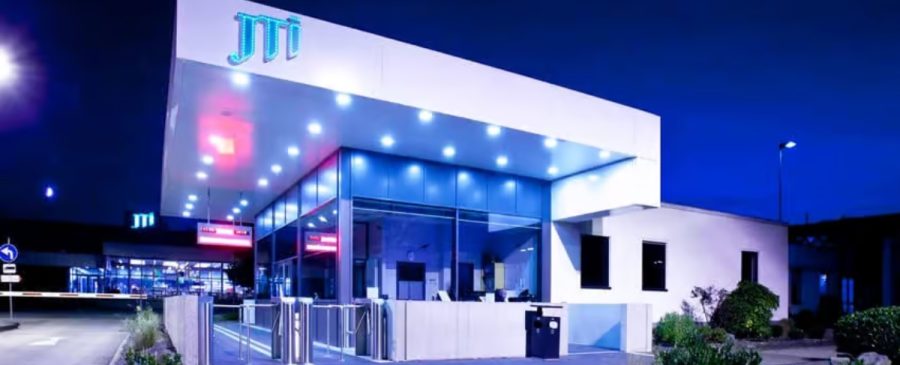
The recent expansion of Japan Tobacco International (JTI) in Morocco marks a significant milestone in the evolution of the country’s industrial strategy. This investment reinforces Morocco’s positioning as a reliable manufacturing and export base within Africa and the broader Euro-Mediterranean region. By selecting Morocco as a key operational hub, JTI demonstrates confidence in the country’s industrial infrastructure, regulatory stability, and skilled workforce—factors that increasingly attract global investors seeking competitiveness and proximity to major markets.
Over the past two decades, Morocco has quietly transformed itself into an industrial bridge between continents. Free zones, stable governance, and major infrastructure projects such as Tanger Med Port have built the foundation for this success. In that context, JTI’s investment feels like a natural next step — a recognition that Morocco’s industrial journey has reached a new level of maturity.
But beyond the economic numbers, there’s something deeply symbolic about this collaboration. Japan, a nation renowned for precision and excellence, sees in Morocco a reflection of its own values: ambition, discipline, and long-term vision. Tétouan is not just hosting another factory — it’s welcoming a new story of trust between two cultures that value craft, commitment, and progress.
Jobs, skills, and a local future built
For the people of Tétouan and the northern region, JTI’s arrival represents more than a new industrial project. It’s a promise of real opportunities — jobs, training, and a renewed sense of purpose for a region eager to play a bigger role in Morocco’s economic transformation. The new factory is expected to generate hundreds of positions, from skilled technicians to logistics experts, creating a ripple effect of local growth that extends far beyond its walls.
What’s especially promising is JTI’s tradition of developing talent from within. The company is known for transferring knowledge, introducing Japanese production discipline, and fostering a culture of continuous improvement. As Moroccan workers embrace these methods, they also acquire skills that raise the national industrial standard — blending global expertise with local creativity.
The impact on Tétouan’s identity will be lasting. Once mainly known for its culture and tourism, the city is now evolving into an emerging industrial pole with international visibility. As the plant’s operations expand, it could attract new suppliers, logistics providers, and even vocational training centers. This is how a single investment becomes a shared local renaissance.
Morocco’s magnetism for Japanese and Asian investors
JTI’s choice is not an isolated case — it’s the continuation of a broader trend. In recent years, Japanese and Asian investors have started looking more seriously at Morocco. The reasons are both pragmatic and strategic: Morocco offers a unique balance of geographic advantage, political stability, and industrial capacity that few African or Mediterranean countries can match.
Thanks to its network of free zones and trade agreements with both the EU and Africa, Morocco has positioned itself as a gateway for global expansion. For Japan, whose companies value long-term partnerships and logistical efficiency, Morocco provides a safe and competitive base to serve multiple markets simultaneously. JTI’s presence could therefore act as a beacon for other Japanese firms, showing that Morocco isn’t just a low-cost production site — it’s an emerging center of industrial excellence.
In Tokyo boardrooms, decisions like JTI’s are made with care and precision. The fact that Morocco has earned that level of confidence reflects years of consistent industrial policy and diplomacy. It’s proof that the country’s bet on diversification — from cars to aeronautics and now to consumer industries — is paying off.
A Partnership with a vision for the future
The real value of JTI’s investment lies not only in what it builds today but in what it could inspire tomorrow. With global supply chains being redefined, Morocco stands to become a key player in sustainable and responsible manufacturing. JTI’s modern facilities in Tétouan are expected to integrate green technologies and energy efficiency, aligning perfectly with Morocco’s national strategy for carbon reduction and renewable energy leadership.
The company’s presence will also encourage the growth of local ecosystems — logistics, packaging, and engineering services that thrive around major industrial anchors. Over time, this can help move Morocco up the value chain, from assembly to innovation and design. Each new skill, each local supplier developed, strengthens Morocco’s industrial sovereignty and competitiveness.
Looking forward, this partnership could be seen as a turning point in Morocco’s industrial diplomacy — one that redefines how Asian and African economies collaborate. Japan brings technology and precision; Morocco brings agility, vision, and access to dynamic markets. Together, they create something larger than a factory: a symbol of shared progress.